While some car shoppers are considering engine performance and high-tech features, there’s also a battle going on about how to choose a car color. Once you’ve ironed out the important details, it’s time to pick a car color. Our guide reveals all the considerations you should think about.
Insurance Cost
According to the Insurance Information Institute, car color isn’t going to affect your insurance rates. However, many people will tell you to avoid red. Some people argue tat this color is more susceptible to being pulled over by the police. This “risky” color can also cause rates to go higher, depending on your insurance company. Of course, other bright colors may be targeted, such as a sports car green or yellow.
Car Color Psychology
The psychology of color is real and should always be considered. How do you want your car to make you and others feel? If you are looking to stand out, you might want a red car, while black can make you appear to have money. Of course, those who hope to blend into the crowd might prefer something subtle, such as white or gray.
Repair/Body Work
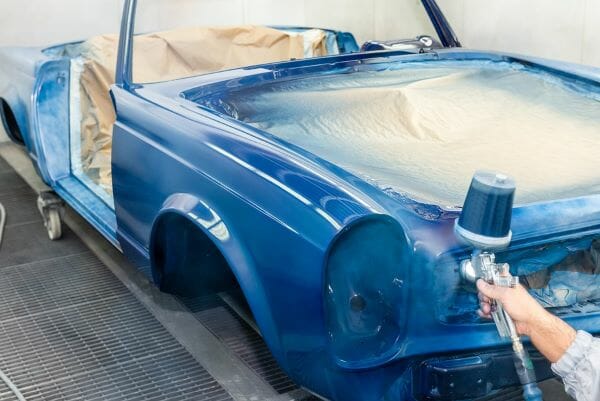
If you are concerned about auto body repair down the road, you will want to take more time when you choose a car color. Some manufacturers use car colors with multiple layers that are much more expensive. Additionally, a few colors can be difficult to find, especially if you are looking at something older or classic. If cost is a concern to you, choose something more generic that’s easy to get your hands on.
Most Popular Car Colors
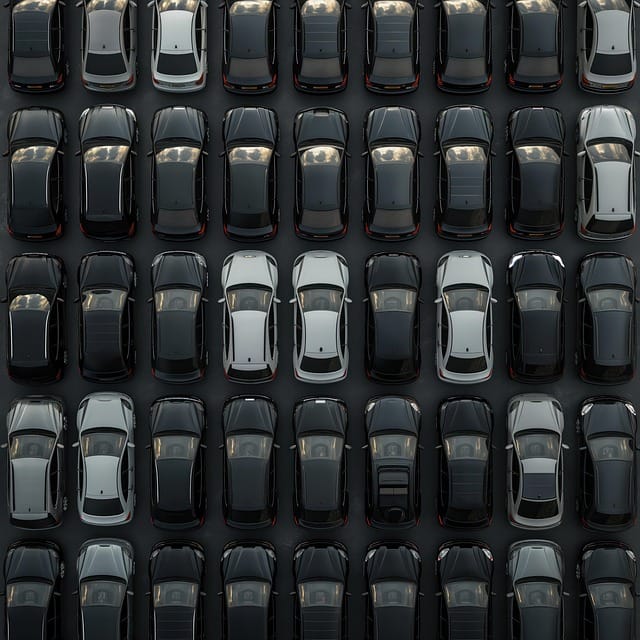
You might want the most popular when choosing a car color. However, these colors vary based on what part of the country that you live in. Still, here are the most popular overall.
- White
- Black
- Gray
- Silver
- Red
- Blue
- Brown
- Green
- Beige
- Orange
- Gold
- Yellow
- Purple
If you are concerned about resale values, research the bestselling car colors in your region before making up your mind. The right color helps you earn more on your trade-in vehicle.




 Check Tire Pressures
 Clean the Battery
 Change the Car Battery
 Replace Headlight Bulbs
 Spark Plug Replacement